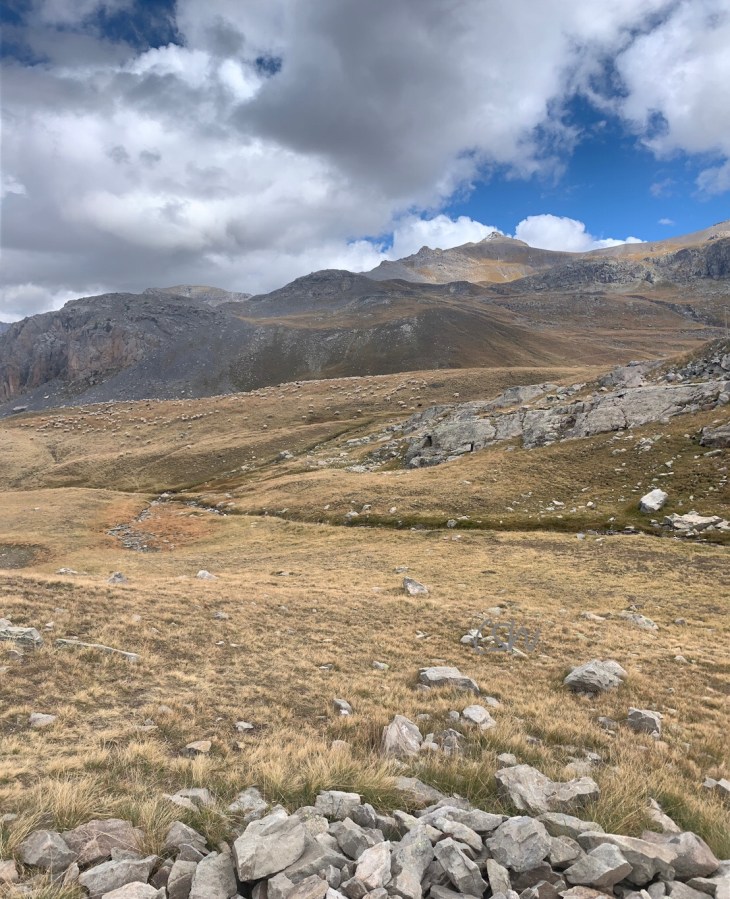
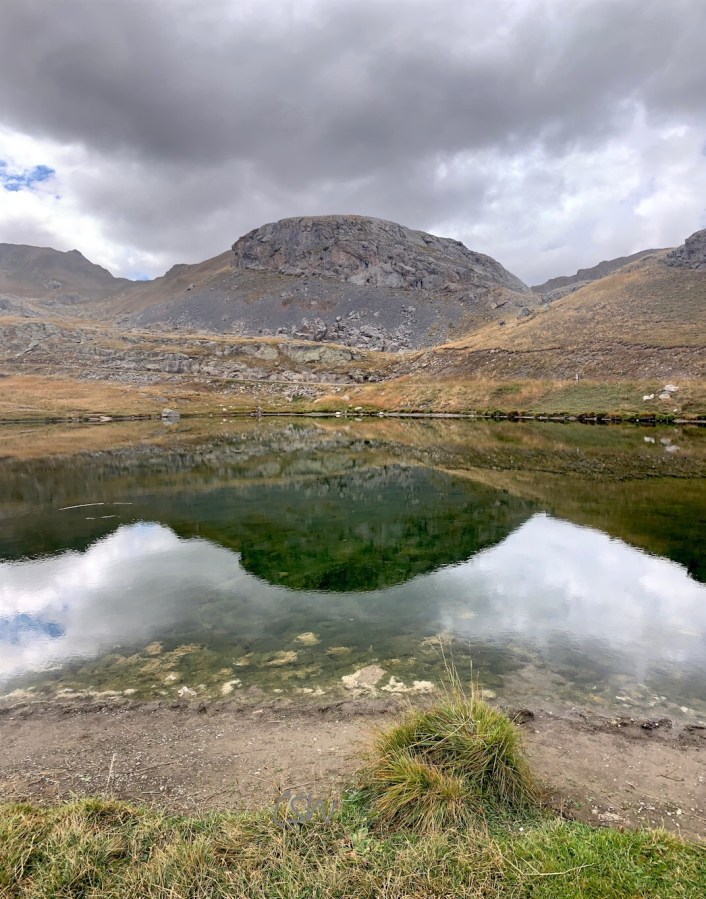
Today I was travelling from the South of France to Piedmont in Italy, and I passed the Cols de Raspaillon, de la Bonette, the Camp des Fourches and the Lac des Eissauprés.
It was rather unexpected because while driving I was listening to music and had taken the wrong road. So I was pleasantly surprised when the actual detour turned out to be a lovely drive.
To me the Alpes are a sort of sign for eternity. I may have said it elsewhere before – these mountains are a piece of nature that was always here and still will be when I and everyone who remembers me has long gone from the face of this earth. These mountains haven’t changed in ages, yet they have witnessed millions of seasons, wars, people wandering about, emigrations, storms … all sorts of spectacles. Still they have an aura of peace and tranquility about them. And their sight is actually too immense to behold. It is easy to find peace here.
I’ll just let the images and videos speak. The videos I took to capture the quiet atmosphere.
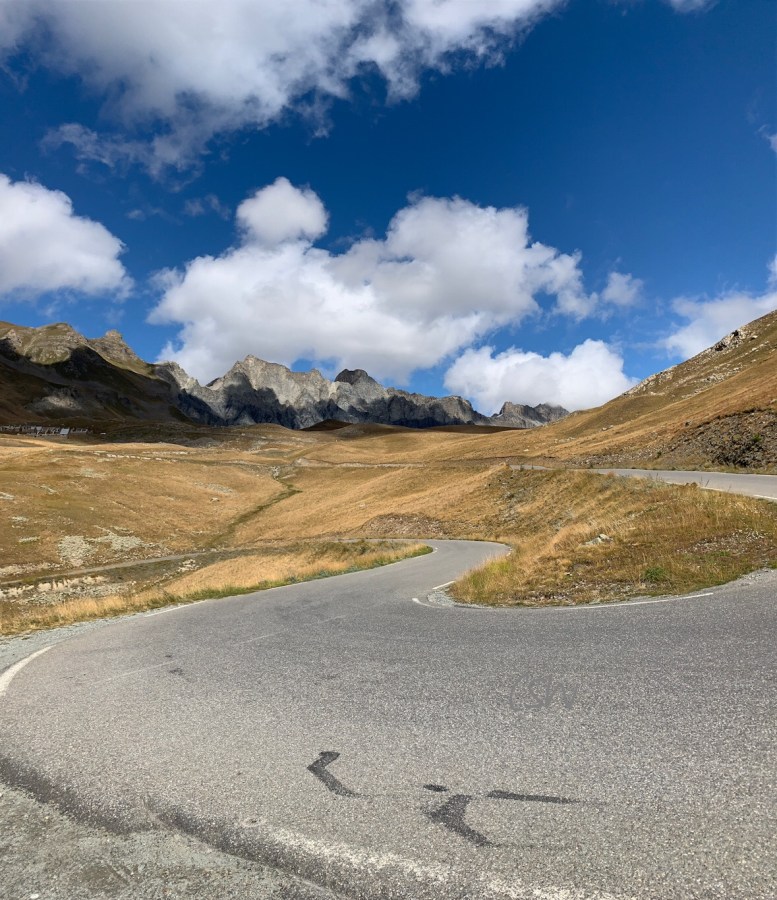
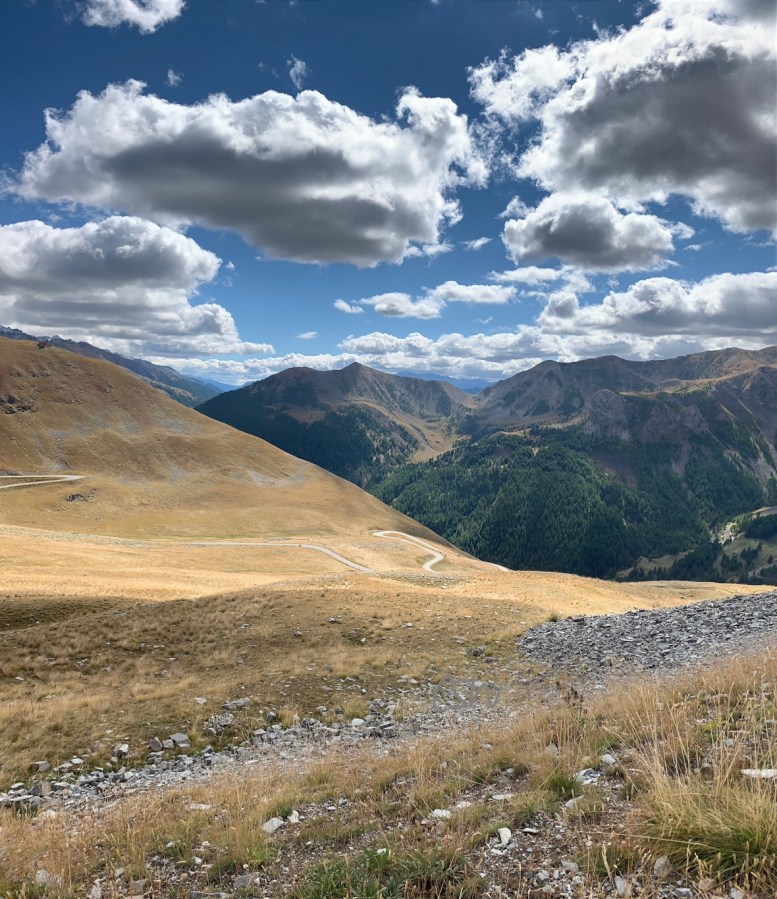
The road up to the Col de la Bonette, golden meadows and blue skies.
The Col de la Bonette (2.715 metres) is a high mountain pass in the French Alps, near the border with Italy. It is situated within the Mercantour National Park on the border of the departments of Alpes-Maritimes and Alpes-de-Haute-Provence. The road over the col is the seventh highest paved road in the Alps. It is one of the principal passes of the Alpes.
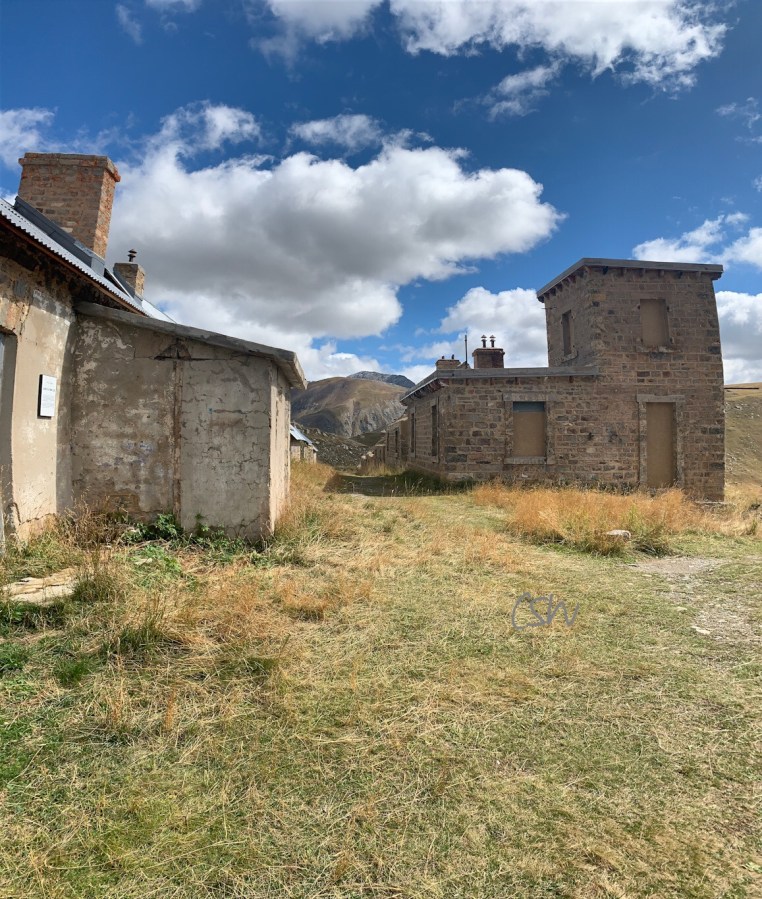
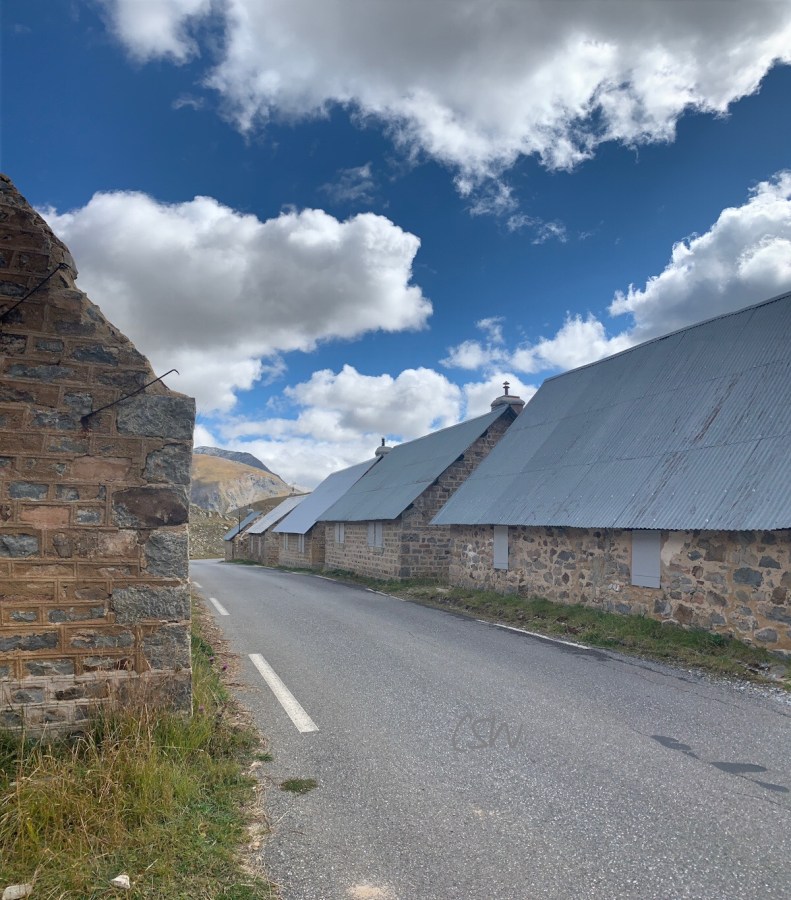
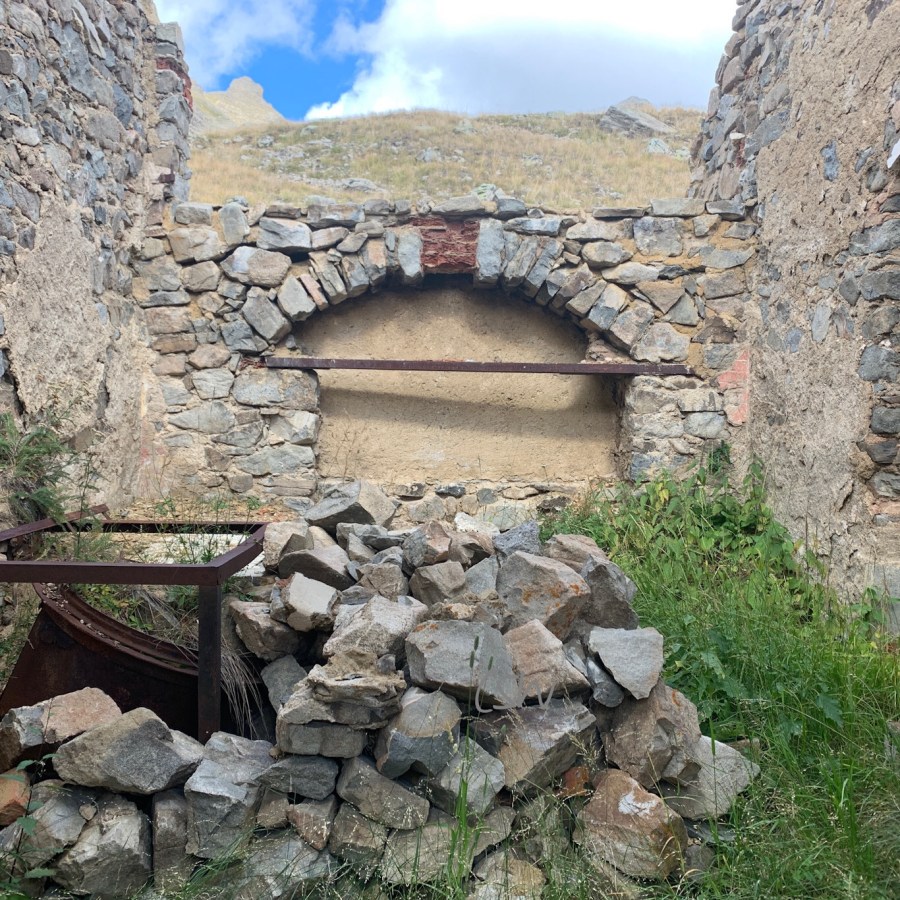
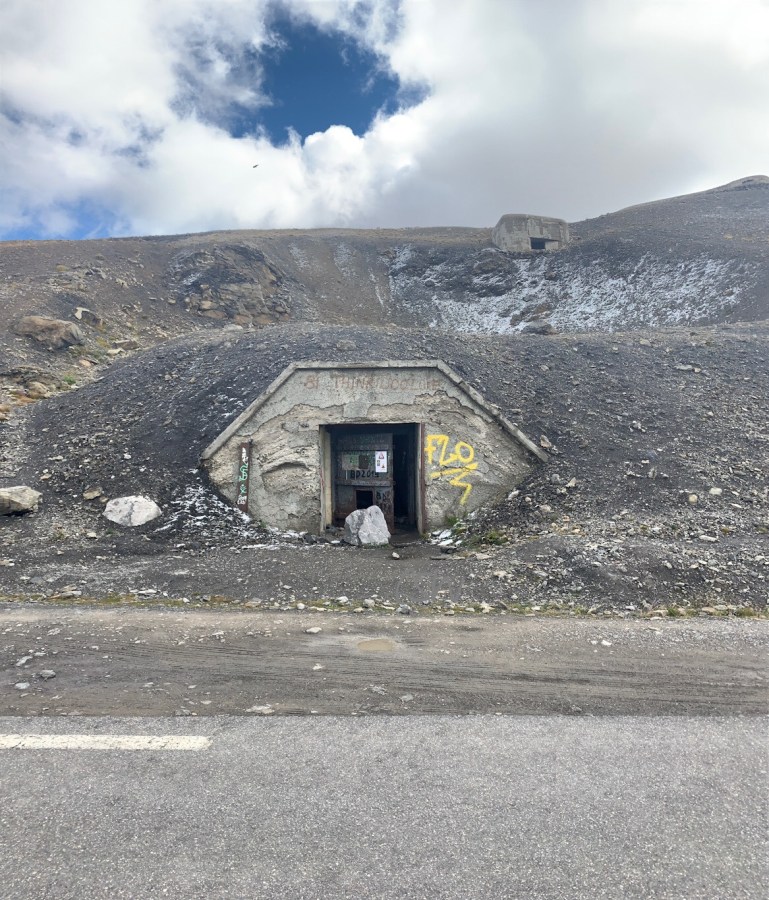
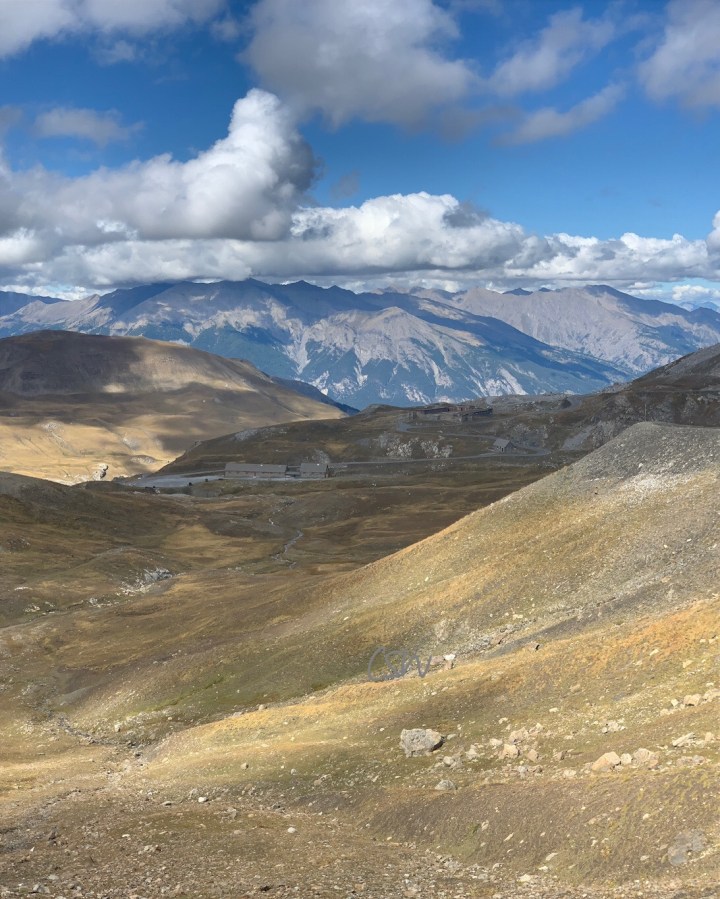
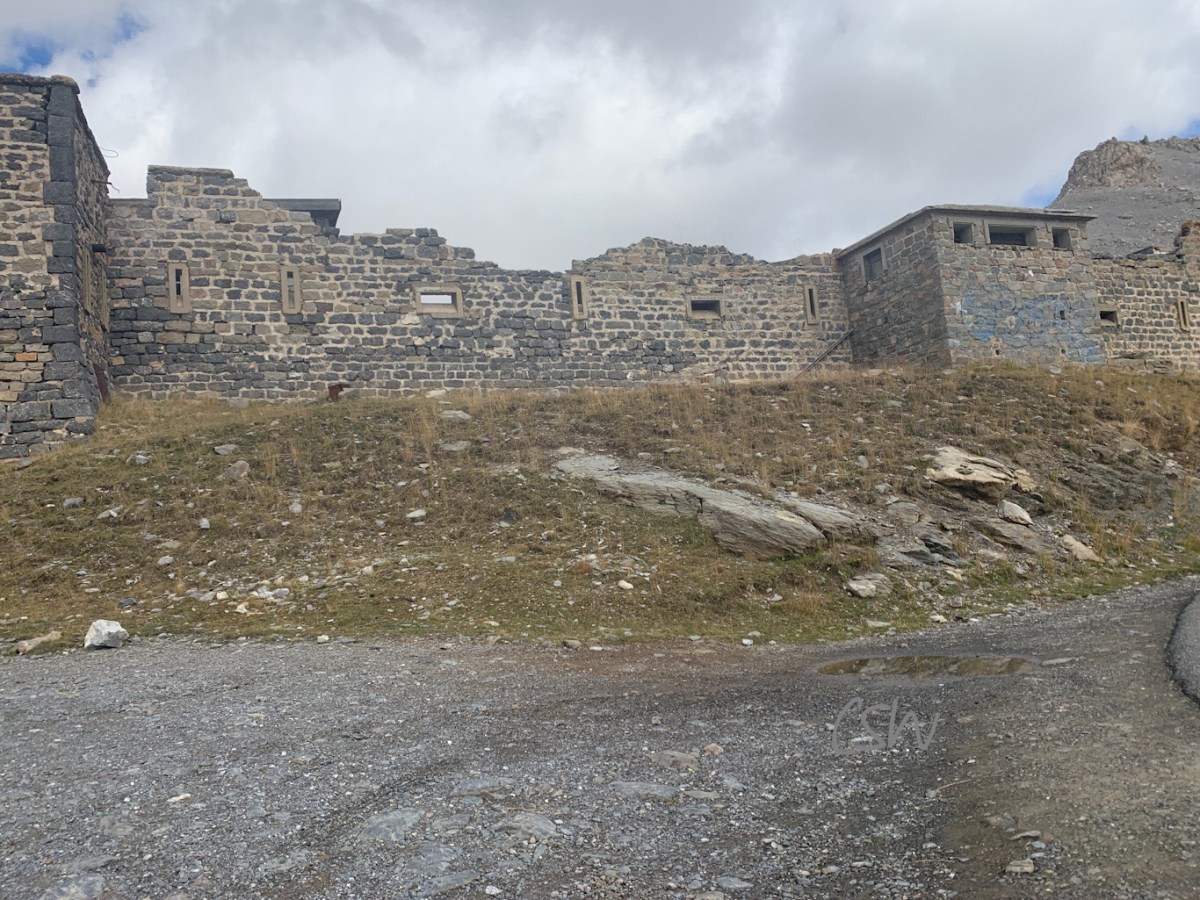
The Camp des Fourches is a abandoned mountain camp located at an altitude of 2.291m, in the Mercantour massif, on the route de la BonetteUsed as a bivac site on from 1890, the camp was built between 1896 and 1910 and further improved until World War II. It is made up of twenty-six small buildings, of which about twenty are almost identical looking like chalets but which, given the difference in the materials used, were certainly not built at the same time. The upper reception of a cable car was added to it as well as a command post with an officers’ mess and an optical telegraph post upstairs.These chalets served mainly as accommodation and could accommodate a battalion of alpine hunters with four companies of 150 men who lived in virtual autarky. The camp was indeed equipped with kitchens, stores, toilets and a bread oven. The cable car, built in the 1930s, which linked the hamlet of Pra, made it possible to send supplies or evacuate the wounded (The upper part was destroyed in 2005 to allow the widening of the road at the entrance of the village). Stables finally made it possible to shelter the mules.The camp was constantly occupied, but during the winter there was only a small number of staff responsible for guarding. The traffic between the chalets went under the snow in plank galleries. An esplanade located to the south of the position also made it possible to set up marabout tents in summer.Although located in the immediate vicinity of the Col-des-Fourches outpost, which was attacked in June 1940 and September 1944, it does not appear that the camp itself was affected by these battles.Today, the Fourches camp is in an apparent state of neglect. The barracks are all in ruins, open to all winds, and are not subject to any safeguard measures by the Mercantour National Park. The old command post, which has not yet lost its roof, is still decorated with murals which deteriorate from year to year.I don’t know nor have I found any profound info about these gateways into the mountain.I took a peek though.Another abandoned camp.A flock of sheep.
Lac des Eissaupres
A waterfall
A region that left me impressed and inspired, I hope to return one day.













 Sophie Is A Clown
Beautiful pictures, Claudi!
Thank you my friend ❤️